
1. Office buildings
Many Brisbane offices are air-conditioned but lack adequate mechanical ventilation to remove pollutants and bring in fresh air. Without it, spaces can become stuffy as carbon dioxide and other contaminants build up. Mechanical ventilation controls indoor air quality by removing excess moisture, dust and pollutants while distributing clean air, creating a healthier workplace and helping meet health and safety standards.
2. Industrial warehouses
In industrial settings, fumes, dust and chemical pollutants can quickly become hazardous if air quality is not managed. Warehouses and manufacturing facilities generate high levels of dust and pollutants from machinery and processes. Mechanical ventilation controls airborne contaminants for a safer environment, and filtration removes harmful particles, protecting both workers and equipment.
3. Covered car parks
Car park exhaust systems are essential for controlling vehicle emissions. Covered car parks can experience a rapid build-up of dangerous carbon monoxide if not ventilated properly, exposing staff and visitors to harmful fumes. Specialised car park exhaust systems disperse emissions and keep air circulating. Regular servicing helps maintain air quality and keep carbon monoxide levels in check.
4. Commercial kitchens
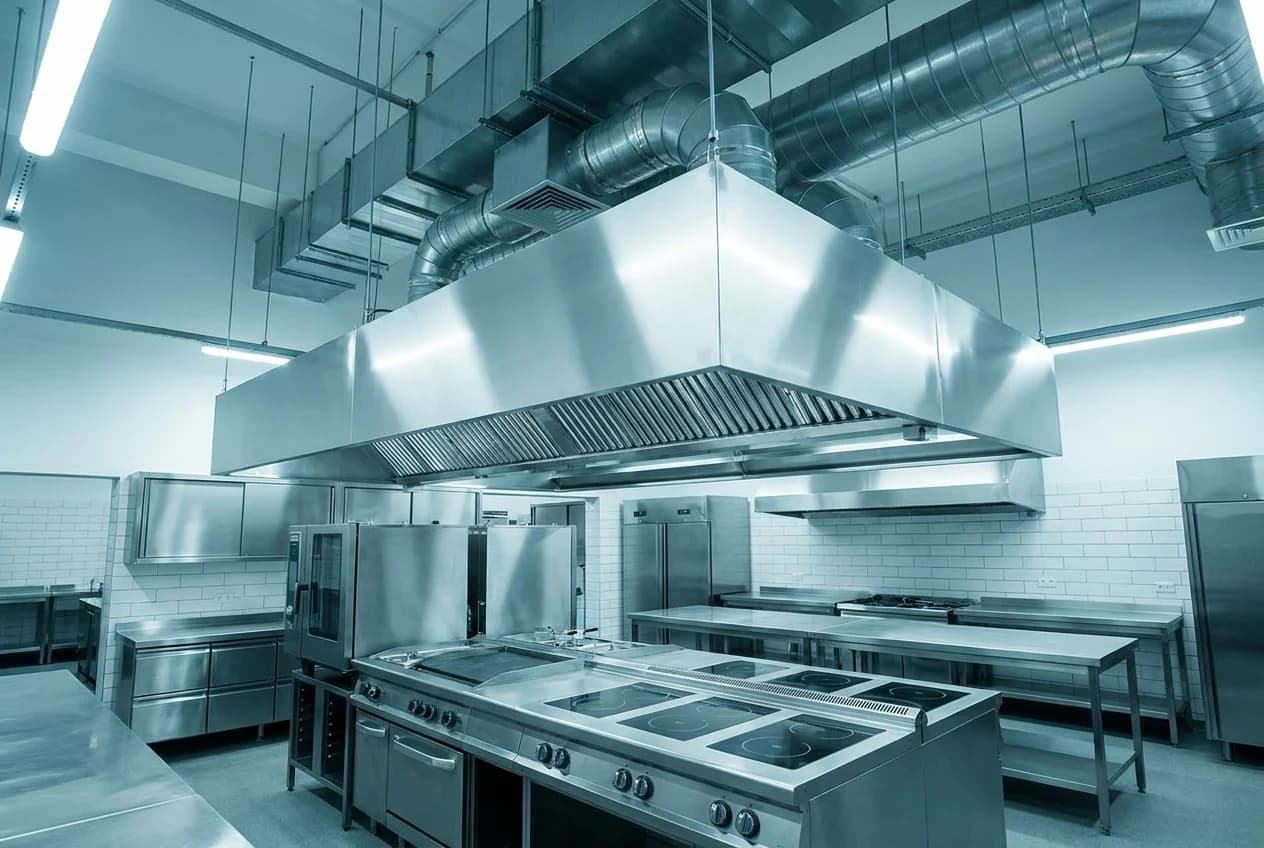
Commercial kitchens generate heat, smoke and grease particles that affect air quality. Without an effective exhaust system, moisture and vapours build up, leading to mould, odours and health risks. Kitchen exhaust systems are tailored to each kitchen, ensuring the right air-change rates and ventilation to remove fumes, reduce humidity and keep the air safe and compliant.
5. Medical and healthcare facilities
Healthcare facilities need a higher standard of air quality. Mechanical ventilation and exhaust systems help maintain sterile environments and reduce the risk of cross-contamination between patients and staff. Alongside controlling temperature and humidity, they filter out bacteria, dust and other harmful particles to keep spaces clean and hygienic.
6. Retail complexes
Shopping centres and retail complexes are busy spaces where air quality can drop quickly with high foot traffic. Mechanical ventilation manages indoor air pollution by removing dust, odours and airborne particles, improving customer comfort, reducing allergens and keeping the air fresh throughout the day.
7. Education institutions
Schools, colleges and universities gather large groups of people, making air quality a priority. Proper ventilation in classrooms, laboratories and common areas helps control carbon dioxide levels, reduce humidity and remove pollutants, supporting a healthier space for students and staff.
Mechanical ventilation and exhaust systems matter for many types of buildings, each with its own air-quality challenges. Whether it is improving circulation in offices, removing fumes in industrial facilities, or maintaining standards in kitchens and car parks, a tailored solution creates a healthier, more productive environment and helps meet the relevant standards.